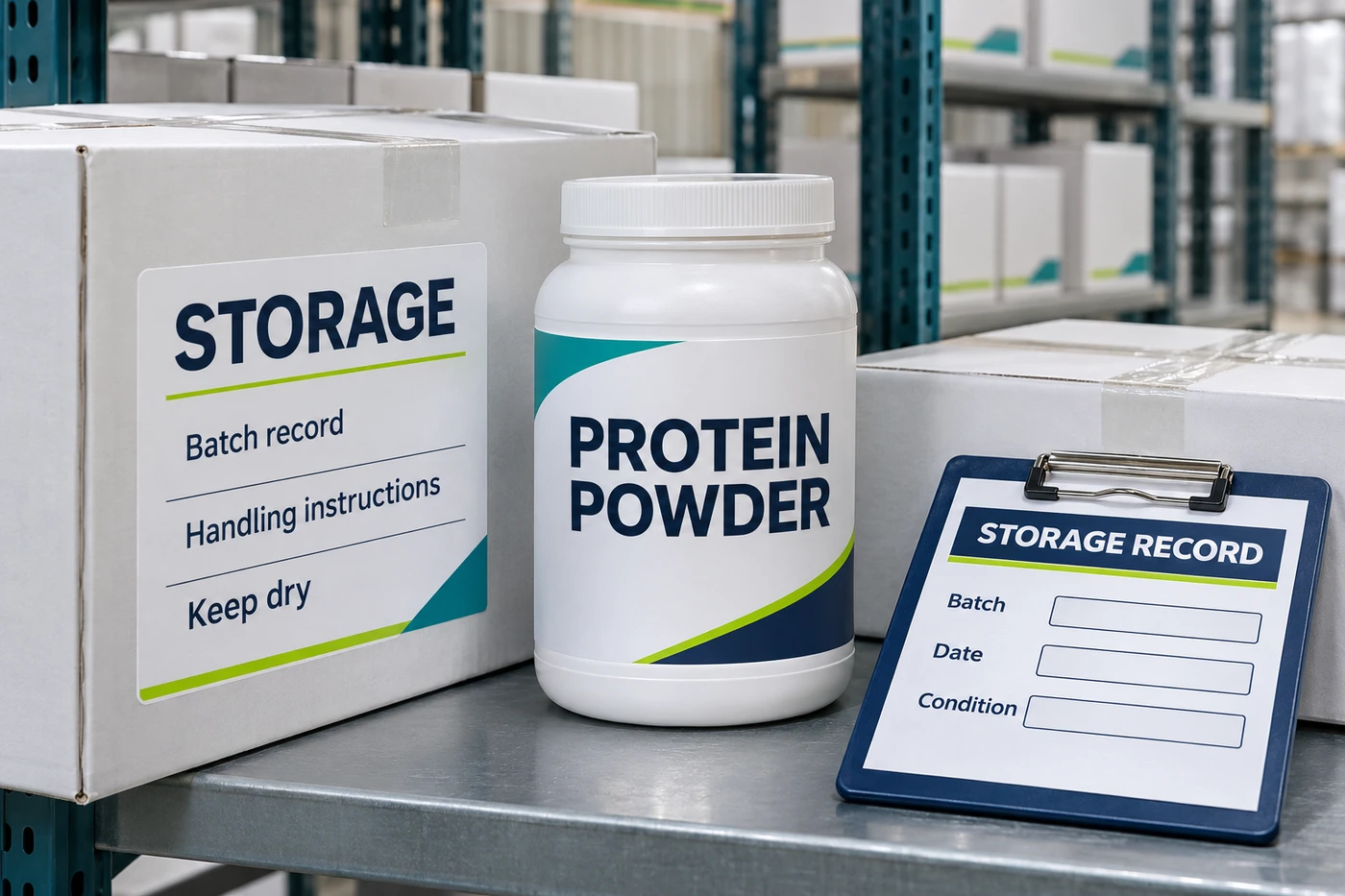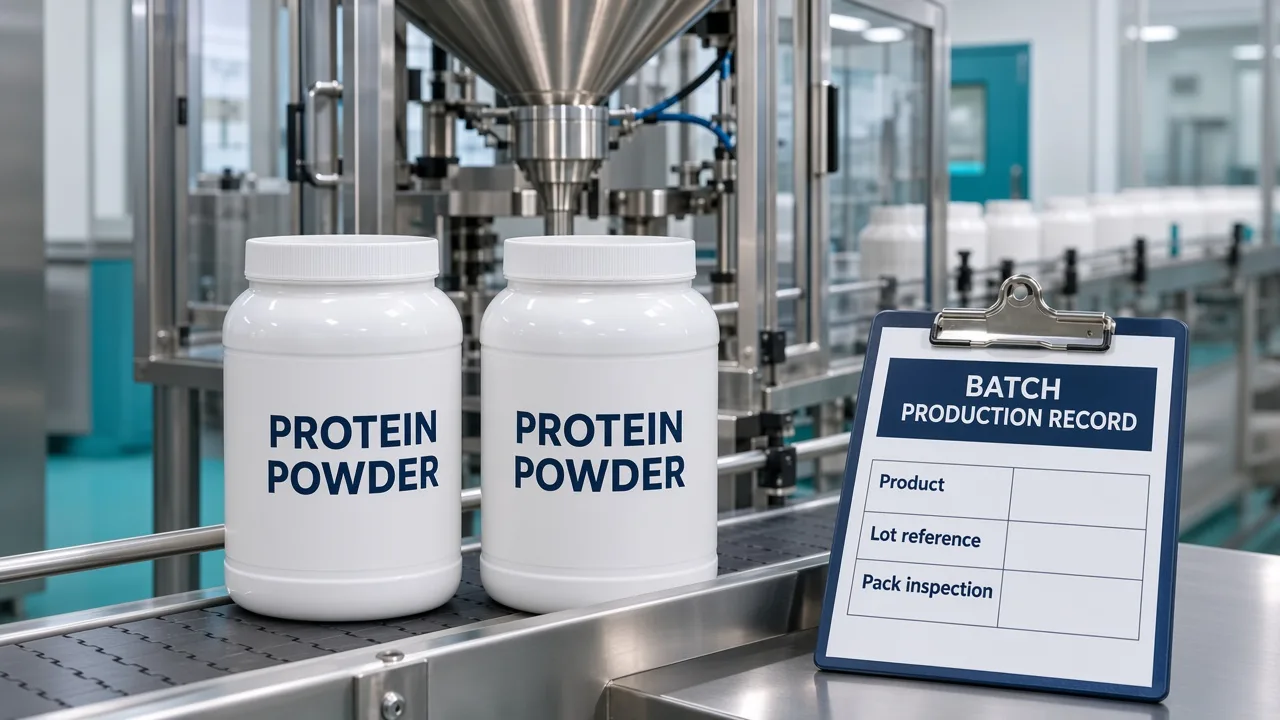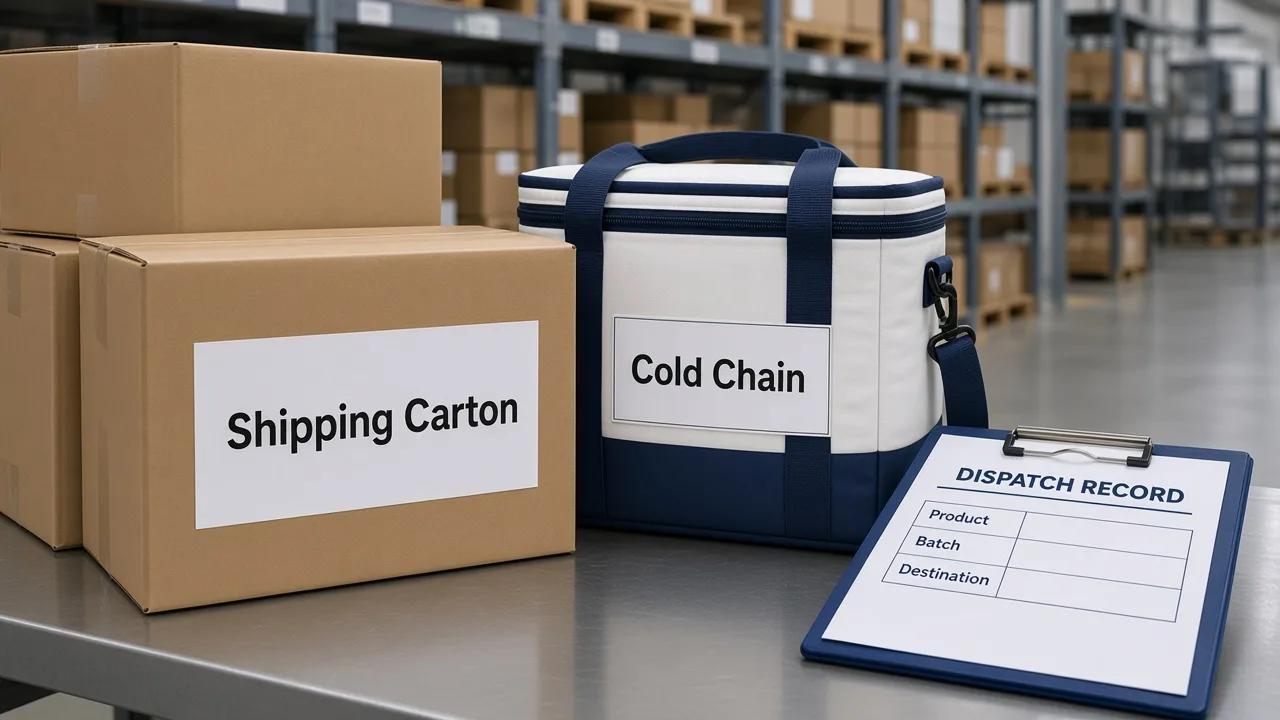
Quality rarely fails overnight. More often, it deteriorates gradually through delays, mishandling, temperature fluctuations, or poor logistics decisions across the supply chain.
India's warehousing and logistics sector has expanded significantly to support growing manufacturing and consumption demand. The Indian warehousing market was valued at approximately US$66.8 billion in 2025 and is projected to grow strongly over the coming decade. At the same time, warehousing transactions increased by 42% year-on-year in H1 2025, reflecting the scale and complexity of today's supply networks.India Warehousing Market Size & Share Growth Analysis 2035
Despite these advances, risks remain. Industry estimates suggest that 20-25% of harvested fruits and vegetables can be lost due to storage and transportation inefficiencies. Similar challenges can affect temperature-sensitive nutraceuticals, pharmaceuticals, and cosmetic products.
Risk intelligence systems help organizations monitor shipments, identify delays, track environmental conditions, and assess vendor performance in real time. This enables businesses to detect risks early rather than reacting after customer complaints or product failures occur.
In an era where consumers demand both speed and quality, brands can no longer afford blind spots within their supply chains.
Supply-chain transparency is not just an operational advantage. It is essential for protecting product quality, brand reputation, and customer trust.