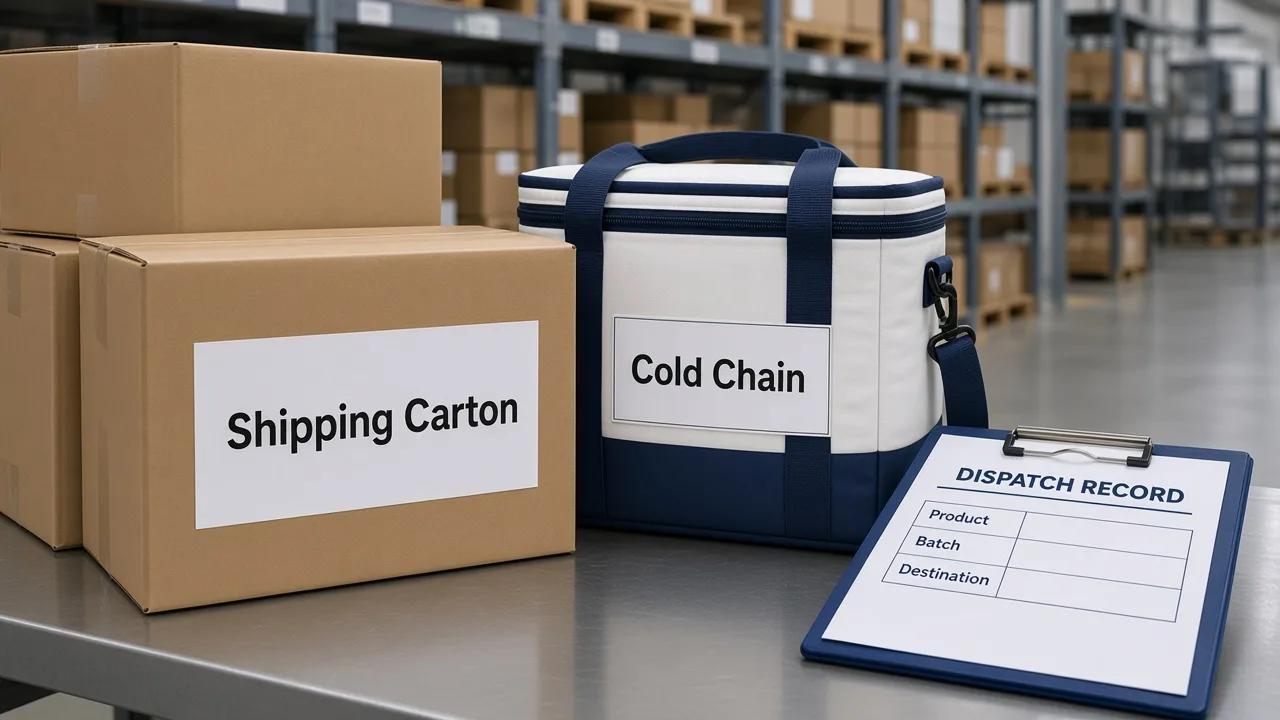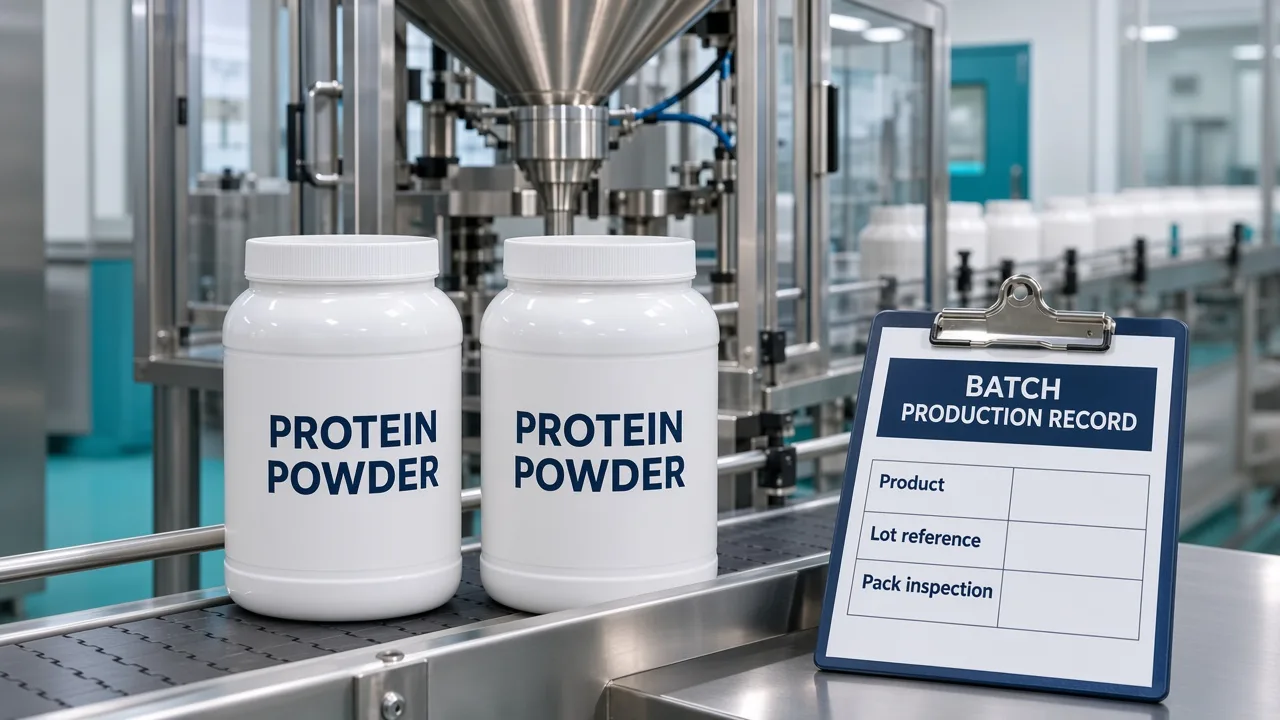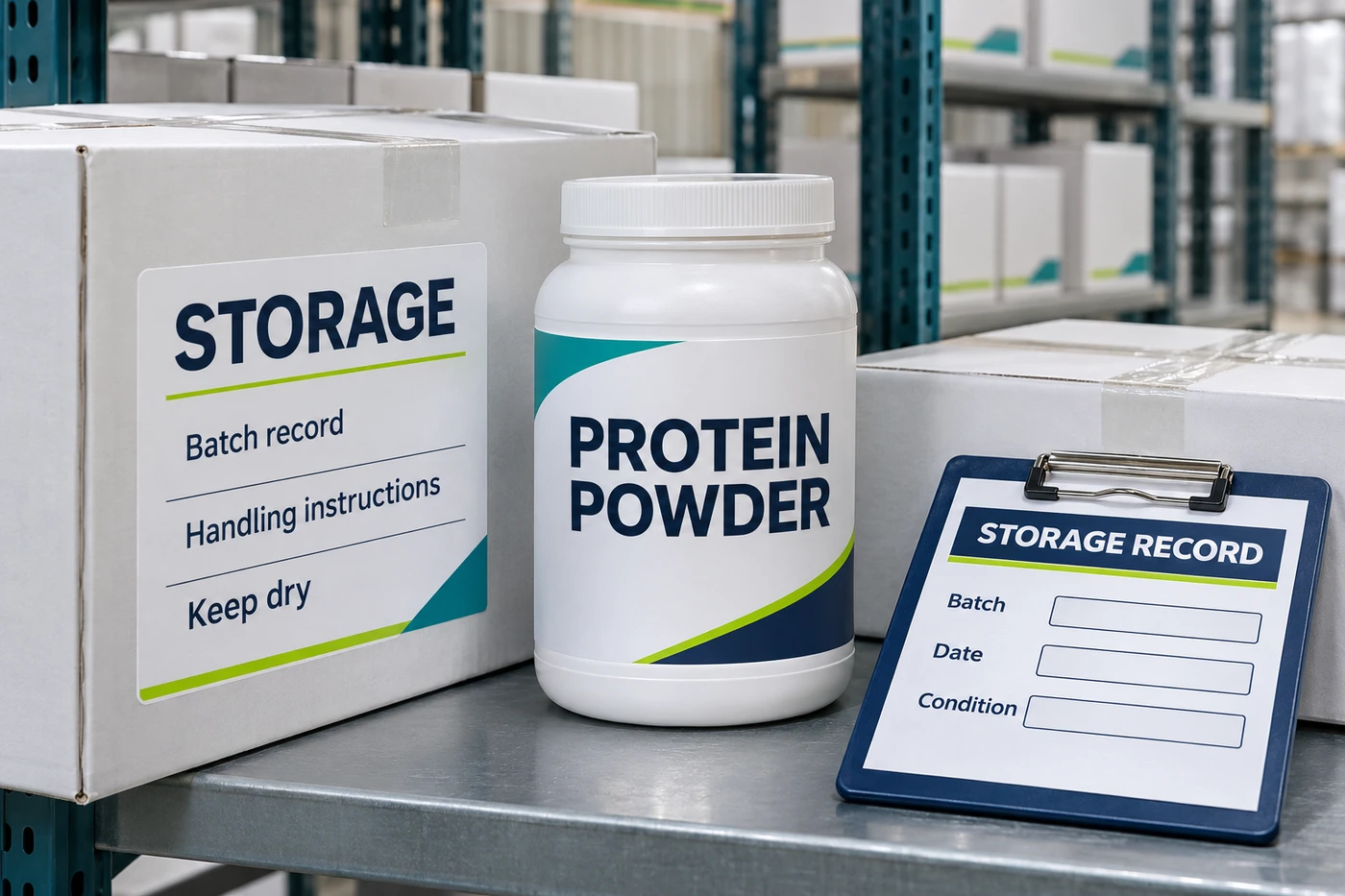
A product's quality journey does not end at the factory gate. Warehouses, distributors, and logistics partners play a critical role in preserving product integrity until it reaches consumers.
This is especially important in India, where temperature and humidity conditions can vary dramatically across regions. For products such as nutraceuticals, pharmaceuticals, skincare, and food items, improper storage can reduce shelf life, impact effectiveness, and damage brand reputation.
India's cold-chain market was estimated at approximately ₹1.81 lakh crore in 2022 and is expected to reach nearly ₹3.8 lakh crore by 2028, reflecting growing investment in quality-preserving infrastructure. Yet studies continue to show significant losses due to storage and logistics gaps, indicating that compliance remains a major challenge. (investindia.gov.in)
Risk intelligence systems help organizations monitor vendor compliance through temperature records, warehouse audits, inventory practices, and corrective action tracking. This visibility transforms vendors from logistics providers into accountable custodians of quality.
Consumers may never visit a warehouse, but they experience the outcome of storage practices every time they use a product.
Strong vendor compliance is one of the most overlooked yet powerful signals of brand trustworthiness.